
Click HERE To Buy Antabuse Online ↓
 Antabuse and Therapy: Combining Medication with Counseling
How Antabuse Works: Science Meets Behavioral Change
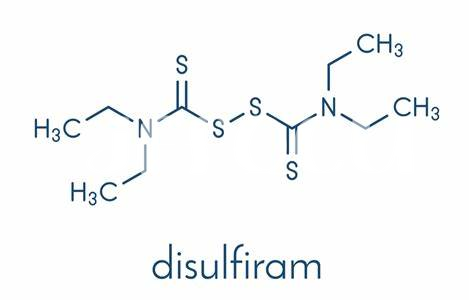
Taking Antabuse is like installing a biological warning bell: it blocks an enzyme that normally clears alcohol’s toxic byproduct, so drinking produces flushing, nausea and heartbeat. That predictable discomfort transforms a physiological reaction into a behavioral cue, helping people learn to avoid alcohol through negative reinforcement.
In therapy, the biological boundary becomes material for skill-building: counselors help patients recognize triggers, rehearse refusal skills and reframe cravings as signals not failures. Counseling plus Antabuse supplies external consequence and internal coping, boosting learning, motivation and ongoing social support to sustain longer-term abstinence.
| Mechanism | Behavioral effect |
|---|---|
| Blocks aldehyde dehydrogenase | Creates aversive reaction |
| Predictable discomfort | Reinforces avoidance learning |
Tailoring Treatment: Matching Medication with Therapy Goals
A treatment plan becomes a map when medication and therapy align. Clinicians assess drinking patterns, medical history, and personal goals to decide whether antabuse complements counseling strategies. A shared decision-making conversation builds ownership and realistic expectations.
Therapists translate clinical decisions into practical steps: setting boundaries, scheduling appointments, and rehearsing responses to triggers. Goals may include reducing harm, abstinence, or improved functioning at work and home.
For some patients, brief motivational interviewing pairs well with the deterrent effect; others need longer cognitive work to reframe beliefs about alcohol and relapse plans.
Regular reviews track side effects, adherence, and shifting goals, ensuring the plan evolves as recovery strengthens. Family involvement often reinforces accountability and offers practical support.
Therapist Roles: Counseling Strategies Complementing Antabuse
A therapist often becomes the steady voice guiding clients through the early, daunting days of abstinence, framing antabuse as one tool among many. Motivational interviewing sparks internal reasons for change, while psychoeducation demystifies physiological reactions and sets realistic expectations. Together these approaches turn medication from a rule into a personally meaningful decision.
Cognitive behavioral therapy identifies high-risk thoughts and patterns, then builds coping skills to prevent lapses. Relapse prevention planning maps triggers, rituals, and safety steps so clients can navigate social pressures without panic. Family sessions repair support systems and align loved ones with practical routines and boundaries.
Ongoing measurement and encouragement celebrate progress, adapt plans, and sustain motivation through inevitable setbacks with compassionate accountability.
Managing Side Effects While Maintaining Recovery Momentum

She started antabuse with nervous optimism, learning that side effects could be managed rather than feared. Gentle pacing, hydration, and communication with her clinician turned early discomfort into predictable checkpoints on a steady recovery map.
Track symptoms daily and report patterns promptly; headaches, flushing, or nausea often ease as the body adjusts. Medication reviews and dose timing adjustments reduce burden, while concurrent counseling helps reframe discomfort as temporary and manageable.
Peer groups and family education create practical safety nets when cravings spike alongside side effects. Clear emergency plans and sober supports prevent panic-driven decisions, preserving momentum while clinicians fine-tune strategies to maintain comfort and abstinence.
Celebrate small victories and normalize setbacks as learning opportunities. Combining symptom management, realistic pacing, and therapy strengthens resilience; with thoughtful monitoring, antabuse becomes part of a personalized plan that supports long-term recovery and wellbeing sustainably.
Boosting Adherence: Practical Tips for Staying Committed
A small daily ritual can anchor recovery: taking antabuse on schedule, pairing it with morning coffee, or checking a reminder. Treating adherence as habit building makes the task human, not clinical.
Use simple tools: alarms, pillboxes, phone apps, and visible notes. Invite a friend or therapist to remind and celebrate milestones; social accountability sustains effort.
Track setbacks without shame, adjust plans with your clinician, and reward streaks. Small wins and honest communication keep momentum alive over months and years.
| Quick Tips | |||
|---|---|---|---|
| Set alarms | Pillbox use | Therapist check ins | Log daily |
Realistic Expectations: Relapse Prevention and Long-term Planning
Picturing the road ahead helps patients accept that recovery is gradual. Anticipating triggers, building a network, and setting small benchmarks turn vague hopes into concrete steps. This approach reframes setbacks as learning opportunities rather than failures.
Long term planning includes therapy, medication check ins, and lifestyle changes like sleep and exercise. Clinicians and patients should co create relapse plans that specify warning signs and immediate coping strategies to minimize harm.
Expect gradual gains; measure success in resilience and skill use rather than continuous sobriety. When cravings recur, having practiced responses and supportive contacts speeds recovery. Celebrate small victories to sustain motivation over months and years.
Long term maintenance may require medication adjustments, therapy sessions, or new strategies when life changes. Staying flexible and honest with providers while revisiting goals truly prevents drift and preserves hard earned progress and sustained growth.