
Click HERE To Buy Bupropion Online ↓
 Off-label Uses of Bupropion: Emerging Evidence
Bupropion Beyond Depression: Smoking Cessation Evidence
Clinicians often describe bupropion as a steady ally for smokers trying to quit. Originally an antidepressant, it reduces craving and withdrawal by modulating dopamine and norepinephrine and antagonizing nicotinic receptors. Randomized trials show roughly doubled abstinence rates versus placebo at six months.
Approved for smoking cessation, typical dosing is 150 mg once daily for three days then 150 mg twice daily; treatment often spans seven to twelve weeks. Side effects include insomnia and dry mouth, while behavioral counseling remains a key adjunct to optimize long-term success and improves quit attempts.
| Outcome | Evidence |
|---|---|
| 6‑month abstinence | ~2× placebo |
| Common side effects | Insomnia, dry mouth |
| Typical dose | 150 mg BID after titration |
Managing Adhd Symptoms: Bupropion Clinical Findings

An adult patient who struggled with attention and motivation found unexpected relief when a clinician tried bupropion; daily tasks became less daunting and concentration improved. The narrative mirrors several open-label studies suggesting benefit for inattentive and combined presentations, especially when depressive symptoms co-occur.
Randomized trials report modest symptom reduction versus placebo, with effect sizes smaller than stimulant medications but comparable to atomoxetine in some analyses. Common adverse effects include insomnia, dry mouth and occasional agitation; the seizure risk remains dose-dependent and important for selection.
Clinicians considering this option should weigh prior response to antidepressants, comorbid substance use, and the need for controlled trials to define long-term efficacy and optimal dosing strategies. With regular careful monitoring.
Treating Bipolar Depression: Risks and Benefits Explored
Clinicians and patients describe cautious optimism when considering bupropion as an adjunct for depressive episodes in bipolar illness. Emerging studies suggest mood and energy improvements without serotonergic side effects, yet response varies and evidence remains mixed. Individual histories and concurrent mood stabilizers shape risk profiles.
For some people the promise is tempered by a meaningful risk of mood switching to mania, particularly when mood stabilizers are absent. Clinicians recommend slow titration, close monitoring, and shared decision making. Larger randomized trials are needed to clarify efficacy, safety, and optimal patient selection.
Chronic Pain Applications: Mechanisms and Trial Results
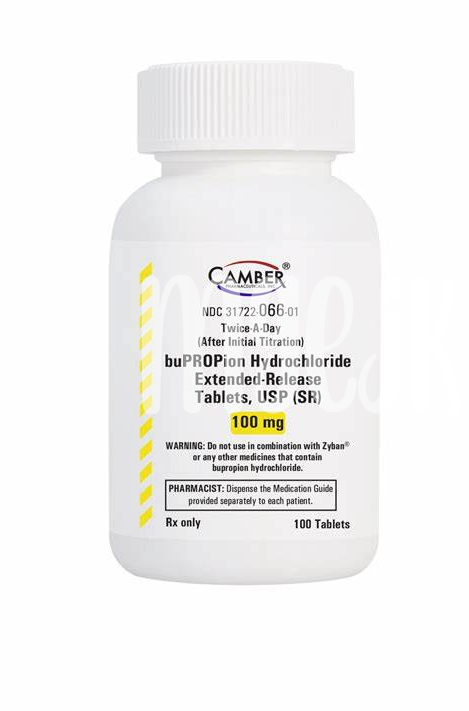
A patient wakes each morning to a lingering ache, and clinicians are exploring alternatives beyond opioids. Research suggests bupropion's dopaminergic and noradrenergic effects may modulate pain pathways, offering a mechanistic rationale for trials.
Small randomized studies report modest reductions in neuropathic and musculoskeletal pain scores, often alongside improvements in mood and function. Response variability appears tied to pain type, baseline depression, and dose.
Side effects—insomnia, dry mouth, and seizure risk at higher doses—temper enthusiasm and require careful patient selection. Longitudinal data remain limited, so clinicians weigh benefits against safety and comorbidity.
Emerging evidence invites cautious optimism: bupropion could become part of multimodal pain care for selected patients, especially when depressive symptoms coexist. Larger, mechanism-focused trials are needed to clarify who benefits most. Meanwhile, careful shared decision-making and monitoring can help mitigate risks while assessing individual response over several months' follow-up
Weight Management Effects: Evidence for Appetite Modulation
A familiar antidepressant, bupropion has attracted curiosity for modest effects on appetite and weight. Patients often describe reduced cravings rather than blunt hunger suppression; clinicians report gradual declines in weight in trials. Mechanistically, dopaminergic and noradrenergic pathways seem to alter reward driven eating.
Randomized studies combining bupropion with behavioral programs show greater short term weight loss than placebo, though effect sizes vary. Side effects and individual variability limit universal use, yet meta analyses indicate statistically significant but clinically modest benefits primarily in the first six months.
For patients at risk from obesity related illness, bupropion may offer an adjunctive tool when paired with lifestyle change and monitoring. Shared decision making, attention to contraindications and realistic expectations are keys when considering off label prescribing for weight related goals.
| Effect | Evidence |
|---|---|
| Reduced cravings | Modest |
| Works with counseling | Greater with programs |
| Onset | Weeks |
Novel Uses in Anxiety Disorders: Early Research Signals
Clinicians exploring bupropion’s norepinephrine-dopamine actions report preliminary benefits for some patients with anxiety, particularly where sluggish cognition and avoidance dominate; small trials and case series fuel cautious optimism awaiting replication.
Mechanistically, enhancement of dopaminergic tone may alleviate anergic worry and improve executive control, while lower sexual side-effect rates make it attractive versus SSRIs in anxious patients with careful clinical monitoring.
Early randomized pilot studies suggest modest anxiety score reductions, but heterogeneity and small samples limit conclusions; larger controlled trials are essential to define indications, dosing, and safety over longer term.