
Click HERE To Buy Cellcept Online ↓
 Cellcept Interactions: Foods and Medications to Avoid
Why Cellcept Reacts Badly with Certain Foods
A patient remembers a single orange changing a routine—small foods can alter how Cellcept behaves inside the body.
Interactions arise mainly from absorption, gut metabolism, and binding: certain compounds slow uptake, bind active drug, or change gut flora, all altering blood levels and effect.
Because timing and composition matter, clinicians advise spacing meals or supplements and avoiding known chelators to preserve therapy when possible.
| Food | Risk |
|---|---|
| Antacids | Reduce absorption of mycophenolate by binding drug |
| High fiber meals | Delay absorption, lower peak levels |
| Fermented foods | Alter gut flora, affect immunity slightly |
Medications That Boost or Block Cellcept Effectiveness
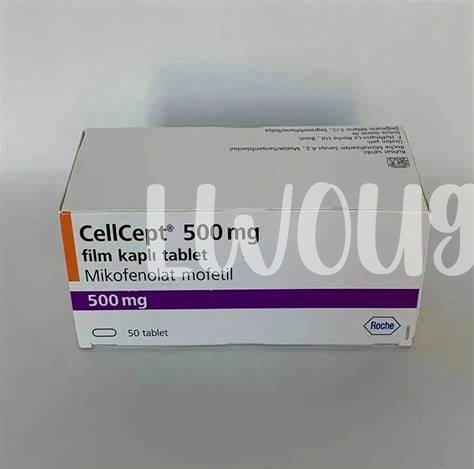
In conversations with patients I warn that some drugs quietly change how cellcept works: broad-spectrum antibiotics can blunt its levels by disrupting gut bacteria that recycle the active drug, while bile-acid binders or some antacids may soak up the medicine and reduce absorption. Other agents, like probenecid, can raise mycophenolic acid exposure by slowing metabolism.
Combining cellcept with cyclosporine can lower drug exposure, and pairing it with marrow‑suppressing antivirals or other immunosuppressants raises infection and blood‑count risks. Frequent med reviews and blood tests detect problems early so consult your team.
Herbals Supplements and over the Counter Dangers
A patient once trusted a tea for calm, unaware that natural ingredients can alter prescription drugs. Many botanicals affect immune suppression pathways; even common remedies change absorption or metabolic breakdown of cellcept, causing unexpected fluctuations in drug levels and side effects.
Over-the-counter pain relievers, decongestants and antacids sometimes interact by altering kidney function or competing for metabolic enzymes. St. John’s wort, ginseng and echinacea are notorious; they may reduce efficacy or heighten toxicity, so always consult a clinician before combining remedies.
Keep a single up-to-date list of medications and supplements, share it at every visit, and report new products immediately. Small changes can have big clinical consequences, potentially without warning, when immunosuppression is in play.
Foods That Increase Infection Risk on Cellcept

In the clinic I warn patients that certain foods can quietly raise infection risk while taking cellcept. I share examples and simple rules to protect recovery.
Raw or undercooked meats, unpasteurized dairy and soft cheeses harbor bacteria and molds that immunosuppressed bodies struggle to fight.
Fresh sprouts and refrigerated deli salads can host pathogens; even seemingly harmless fruits should be washed thoroughly.
Practical steps — careful food handling, avoiding risky items, and discussing diet with your transplant team — lower chances of serious infections while on therapy, and report fevers or chills.
Alcohol and Vaccination Considerations for Patients
Facing a transplant clinic, Mia learned that drinking could amplify side effects while on cellcept. Her doctor explained that alcohol can worsen gastrointestinal upset and fatigue, making it harder to tell medication reactions from lifestyle effects.
Vaccinations need planning: live vaccines are typically avoided because immunosuppression raises infection risk, while inactivated vaccines may be safer but produce weaker responses. Timing doses around therapy and checking antibody levels helps maximize protection in many patients.
Practical steps include avoiding binge drinking, delaying live vaccines until immune status improves, and discussing each shot with your transplant team. Keep a vaccination record and stay vigilant for fever or unusual symptoms after immunization promptly.
| Vaccine | Timing |
|---|---|
| Live | Avoid/delay |
| Inactivated | Safe |
Practical Tips for Managing Drug Interactions Safely
When I started my transplant journey, a pharmacist handed me a wallet card and urged diligence. Keeping an updated medication list and sharing it at every appointment prevents dangerous surprises.
Always consult your transplant team before adding supplements or changing prescriptions. Some drugs alter mycophenolate levels; small adjustments in timing or dose can avoid insufficient immunosuppression or toxicity and harm.
Watch for common culprits: antacids, certain antibiotics, and herbal remedies like St. John’s wort. Use one pharmacy so interactions are easier to catch and managed.
Keep vaccination records updated and ask about alcohol effects. If symptoms like fever or unusual bleeding appear, contact your provider immediately — early action preserves health and medication effectiveness overall.