
Click HERE To Buy Cleocin Online ↓
 Cleocin during Pregnancy and Breastfeeding: Safety Guide
How Cleocin Works: Mechanism and Typical Uses
During pregnancy many expectant mothers face infections that must be treated quickly; clindamycin offers targeted action against anaerobic bacteria and certain Gram‑positive organisms. It penetrates tissues well and concentrates in infected areas, interrupting bacterial protein synthesis to halt growth and reduce toxin production.
Clinically it is used for skin and soft tissue infections, gynecologic infections such as bacterial vaginosis and pelvic inflammatory disease, dental infections, and as part of surgical prophylaxis when penicillin cannot be used. Oral, topical, and intravenous formulations let providers tailor therapy to severity and location.
Understanding this drug’s mechanism helps clinicians weigh benefits and risks in pregnancy and breastfeeding: rapid bacterial suppression can prevent complications, but selection should consider resistance patterns, allergy history, and the narrow indications where its safety profile is best established. Discuss timing and necessity with your provider before starting any therapy today.
| Typical Use | Common Route |
|---|---|
| Gynecologic infections | Oral/IV |
Pregnancy Safety: Trimester Risks and Evidence Summary
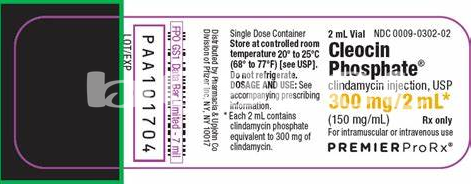
During pregnancy, many women worry about medications. cleocin is an antibiotic considered when benefits outweigh risks; clinicians assess infection severity, gestational age, and alternatives before prescribing, with informed counseling available.
Evidence is limited but reassuring overall: first trimester data are mixed, not conclusively linked to birth defects; later trimesters show low risk when used appropriately under medical guidance and monitoring.
Decisions weigh maternal infection risks against potential fetal effects; providers tailor care, consider alternatives if needed, and schedule follow-up. Pregnant patients should openly discuss options and concerns with their clinician.
Breastfeeding Considerations: Transfer, Levels, and Effects
Many new mothers worry about medications passing to their baby; cleocin does appear in breast milk at low, measurable concentrations, but studies suggest limited oral absorption by healthy infants. Systemic effects are uncommon, yet premature babies or those with underlying gut issues may absorb more and should be monitored closely. Because the evidence is limited, doctors balance maternal benefit against infant risk when recommending treatment.
Common signs to watch for include diarrhea, vomiting, thrush (oral candidiasis), or a rash; these may prompt a change in therapy. If an infant develops severe symptoms, stop nursing and seek pediatric advice immediately. Practical steps include timing doses right after a feed to minimize exposure, watching stools and feeding behavior, and discussing alternatives such as topical or different systemic antibiotics with your clinician. Documentation of infant symptoms helps guide safe breastfeeding decisions and monitoring
Common Side Effects for Mother and Infant
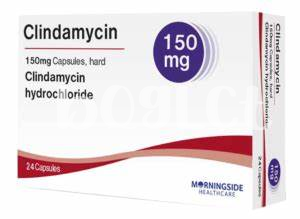
When prescribed cleocin, many mothers notice mild gastrointestinal upset — nausea, abdominal pain, and loose stools — which usually ease within days.
Less commonly, allergic rashes, itching, or severe diarrhea from Clostridioides difficile occur and require prompt medical attention.
Breastfed infants may develop diaper-area candidiasis (thrush), loose stools, or mild fussiness; significant systemic effects in babies are rare.
If symptoms worsen, fever appears, or feeding changes, contact your clinician for evaluation and possible alternative therapy to balance maternal benefit and infant safety. Keep a symptom diary and bring it to follow-up appointments.
When to Avoid Cleocin: Contraindications and Alternatives
Pregnancy and breastfeeding change how we weigh risks, so many women and clinicians pause before using cleocin. When allergies, liver disease, or a history of severe colitis are present, the risks can outweigh benefits. A clear conversation with your prescriber helps align treatment with pregnancy goals.
Avoid use if the mother has hypersensitivity to clindamycin or lincomycin, or if neonatal history suggests intolerance.
Consider safer alternatives such as penicillin- or cephalosporin-class antibiotics when appropriate, or topical agents for localized infections.
Always document reasons for avoiding cleocin and arrange monitoring for mother and baby. Discuss risks, alternatives, and follow up with tests when indicated.
| Contraindication | Alternative |
|---|---|
| Severe allergy | Azithromycin |
| History of colitis | Topical therapy |
| Liver disease |
Practical Advice: Dosage, Monitoring, and Doctor Communication
Take Cleocin exactly as prescribed and complete the full course even if you feel better; never skip or double doses. Dosage is individualized by infection type and pregnancy stage, so follow your clinician’s instructions.
Carefully monitor yourself and your baby for side effects. Report diarrhea, abdominal pain, rash, fever. Breastfeeding infants should be observed for rash, diarrhea, or fussiness.
Always tell your healthcare team if you are pregnant, planning pregnancy, breastfeeding, or have liver disease or allergies. Provide a complete medication list and ask about safer alternatives or dose adjustments.
Keep clear communication—ask for written instructions, a follow‑up plan, and emergency contact numbers. If serious symptoms occur, stop the medication and seek immediate medical attention.