
Click HERE To Buy Clomid Online ↓
 Clomid Vs Letrozole: Which Is Better?
How Clomid and Letrozole Work Differently
She remembers the first clinic visit, a mix of hope and questions, while her doctor explains that one drug tricks the brain to increase follicle-stimulating signals and the other suppresses estrogen production directly system.
Clomiphene binds estrogen receptors in the hypothalamus, confusing feedback loops so luteinizing hormone surges trigger ovulation, whereas letrozole blocks aromatase, lowering estrogen and prompting the brain to boost gonadotropin release more quickly overall.
Clinically this means clomiphene’s mixed agonist-antagonist actions can lengthen stimulation in some cycles, while letrozole’s brief systemic half-life yields shorter, cleaner estrogen suppression and often narrower endometrial effects with potentially different implantation implications altogether.
Decisions rest on diagnosis and goals: polycystic ovarian syndrome, prior response, and timing shape whether a receptor modulator or aromatase inhibitor better aligns with pregnancy chances and side effect priorities for many patients.
| Clomid | Letrozole |
|---|---|
| Estrogen blocker | Aromatase inhibitor |
Comparing Effectiveness for Ovulation Induction Outcomes

She stared at the calendar, hoping this cycle would change everything. For decades physicians relied on clomid as the first step—an oral, inexpensive ovulation trigger—but a newer aromatase inhibitor offered a fresh alternative with different hormonal effects.
Clinical trials showed letrozole often yields higher live-birth rates than clomid, especially in women with polycystic ovary syndrome, while ovulation rates can be similar. In older patients or those with unexplained infertility the advantage narrows, and prior response to one agent predicts subsequent success. Clomid can thin the endometrium and raise multiple pregnancy risk, whereas letrozole tends to preserve lining and produce fewer multiples. This may modestly improve implantation outcomes.
Ultimately effectiveness is personal: diagnosis, age, ovarian reserve, and past treatment history guide the choice. Shared decision-making, timed monitoring, and flexible switching when cycles fail maximize chances, balancing statistical advantages with individual priorities.
Side Effects, Risks, and Long-term Considerations
Trying fertility medications can feel like stepping into a new world: hopeful, cautious, and curious. Common reactions include mood swings, hot flashes, bloating, and visual disturbances; some women experience ovarian overstimulation, which needs prompt medical attention. clomid is often associated with reversible ovarian cysts and multiple pregnancy risk, while aromatase inhibitors may have different hormonal side effects. Discussing baseline health and monitoring protocols with a clinician reduces surprises and improves safety.
Longer term, cumulative cycles can affect ovarian reserve assessments and warrant periodic evaluation; estrogen-suppressing agents may influence bone density over prolonged use, so baseline measures and follow-up are prudent. Most adverse effects resolve after discontinuation, but informed consent about rare complications and careful cycle tracking are essential. Shared decision-making, attention to age and diagnosis, and prompt reporting of unusual symptoms balance effectiveness with safety for those pursuing conception successfully.
Choosing Based on Age Fertility History and Diagnosis
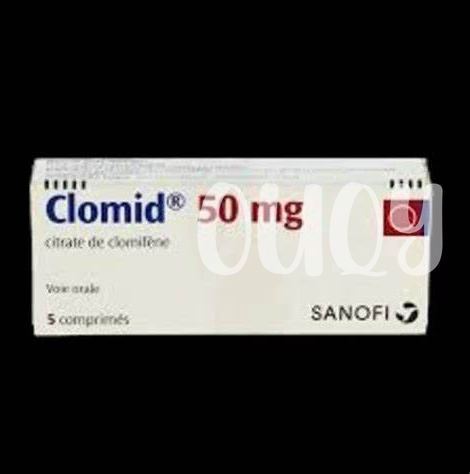
Deciding between treatments often feels personal: a woman in her twenties with regular cycles might try clomid first, while someone in her late thirties with diminished ovarian reserve may be steered toward aromatase inhibitors or assisted reproductive techniques. Medical history, hormone levels, and prior response to medication shape this pathway, not a single universal rule.
A tailored plan balances age-related egg quality, diagnosis such as PCOS or unexplained infertility, and risks like multiple pregnancy. Providers weigh basic tests, ultrasound findings, and patient priorities — fertility preservation, time constraints, or tolerance for side effects — before recommending clomid, letrozole, or IVF. Shared decision-making ensures choices reflect both clinical evidence and personal goals, with emotional support throughout treatment always.
Practical Dosing Protocols Monitoring Timelines and Tips
Begin with a clear plan: typical clomid starts at 50 mg daily for five days, usually day 3 to 7 of the cycle, while providers may escalate dose based on response. Discuss goals, timeline and contingency plans before starting so adjustments don't feel reactive.
Monitoring often involves midcycle ultrasound and serum progesterone to confirm ovulation; ultrasounds at cycle days 10 to 14 and follow-ups timed to follicle growth give actionable data. If follicles fail to mature, clinicians may increase dose or switch agents; keep communication frequent and track symptoms and side effects.
| Action | Timing |
|---|---|
| Start dose 50 mg | Day 3 to 7 |
| Ultrasound | Day 10 to 14 |
Cost Accessibility Insurance Coverage and Patient Preferences
Deciding between clomiphene and letrozole often mixes finances with feelings: a couple may favor the cheaper generic and the convenience of oral dosing, while clinics might steer choices based on formularies. Insurance often covers generic agents differently, and out‑of‑pocket costs for monitoring and follow‑up can dwarf medication price, shaping real-world decisions.
Patients also weigh side effects, previous treatment experiences, and clinic support when choosing; some prioritize fewer clinic visits while others chase the highest success rate. Discussing cost estimates, prior authorization hurdles, and flexible payment options with a clinician or navigator can turn uncertainty into a clear plan that aligns medical goals with personal values and financial realities and reduces stress throughout the treatment journey.