
Click HERE To Buy Clomiphene Online ↓
 Clomiphene Vs Letrozole: Choosing the Right Ovulation Drug
Mechanisms Compared: How Each Drug Triggers Ovulation
A patient once wondered why two pills could both induce ovulation yet act so differently. Clomiphene blocks hypothalamic estrogen receptors, prompting increased GnRH and a surge of FSH and LH.
Letrozole works by inhibiting aromatase, lowering estrogen production and reducing negative feedback on the hypothalamus. The result is a more natural FSH rise that supports follicle development without antiestrogenic effects.
Clinically, letrozole's shorter half life means less endometrial and cervical mucus disruption, often favoring implantation. Clomiphene can cause persistent peripheral antiestrogenic effects and higher multiple follicle rates and luteal defects.
| Drug | Primary Mechanism |
|---|---|
| Clomiphene | Estrogen receptor antagonist at hypothalamus → ↑GnRH → ↑FSH/LH |
| Letrozole | Aromatase inhibitor → ↓estrogen synthesis → ↓negative feedback → ↑FSH |
Effectiveness and Pregnancy Rates: What Research Shows

A patient remembers the hopeful clinic visit, clutching a prescription for clomiphene while hearing about aromatase inhibitors. Trials often compare cycles, showing ovulation rates improve substantially with either agent, but nuances shape eventual pregnancy outcomes.
Large randomized studies suggest letrozole yields higher live birth rates in women with PCOS, while clomiphene remains effective in many subgroups. Context such as BMI, age, and prior response influences which drug produces best result.
Clinicians note cumulative pregnancy chances increase after several cycles; individual cycle pregnancy rates vary, often 10–20% per cycle depending on diagnosis. Meta-analyses report modest absolute differences, emphasizing personalized treatment planning and realistic expectations and monitoring.
In practice couples weigh probabilities alongside tolerability; some accept clomiphene’s side effects for convenience, others prefer letrozole’s higher odds in specific situations. Shared decision-making, clear counseling, and follow-up optimize chances and patient satisfaction over time.
Side Effects and Long-term Health Considerations
She remembered the jittery nights after the first cycle, hopeful yet anxious, learning that transient hot flashes and mood swings often accompany ovulation induction; clomiphene frequently causes these, which usually resolve completely after stopping treatment.
More concerning are multiple gestation risks and ovarian hyperstimulation, rare but serious outcomes clinicians monitor; ultrasound checks and cautious dosing minimize harm, and most patients appreciate that careful surveillance reduces unexpected complications effectively over time.
Longer-term fertility seems unaffected for most, though research explores subtle impacts on endometrial receptivity and cervical mucus; doctors may switch therapies or adjust cycles when patterns suggest reduced implantation potential to optimize outcomes in future.
Emotional wear and financial burden also matter: repeated cycles can strain relationships and budgets, prompting shared decision-making about risks, benefits, and alternatives; informed consent and access to support services improve satisfaction and adherence long term.
Practical Differences: Dosing, Timing, Monitoring Needs
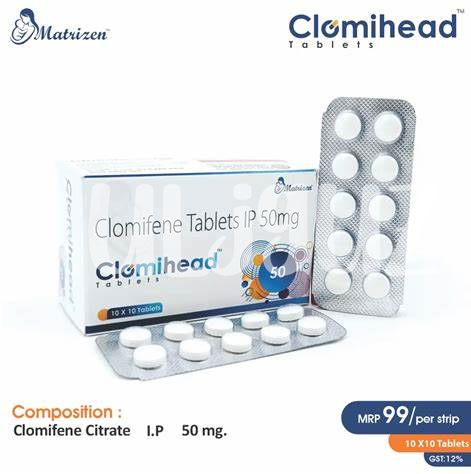
Clinicians usually prescribe clomiphene for five days starting early in the cycle; aromatase inhibitors follow a similar short course, but milligram differences require personalized dosing to optimize outcomes and safety.
Timing matters: ovulation prediction guides when to trigger or time intercourse, and bloodwork or ultrasound monitoring tracks follicle growth; monitoring frequency varies by response and clinic protocols per individual patient.
Practical follow-up can include endometrial checks, estradiol levels and serial scans; providers may adjust dose, cancel cycles for hyperstimulation risk, or recommend alternate agents based on findings and patient preference.
Choosing Based on Patient Profile and Diagnosis
Deciding which ovulation agent to use often reads like a patient story: a woman with irregular cycles seeks clarity. For those with thin endometrium or prior poor response, clomiphene may be less attractive; its anti-estrogenic linger can affect uterine lining. Conversations weigh risks and goals.
A diagnosis-driven plan narrows choices: letrozole often leads for polycystic ovary syndrome because it fosters mono-follicular development, while clomiphene retains value in unexplained infertility or when cost and familiarity matter. Age, ovarian reserve tests, prior treatments and partner factors steer protocol selection.
Practical steps include tailored dosing, early ultrasound monitoring when response is unpredictable, and switching strategy after failed cycles. Shared decision-making should discuss success probabilities, side-effect profiles and fertility timelines, so patients feel empowered by a clear, personalized pathway rather than a one-size-fits-all prescription. Insurance coverage and comorbidities also shape the final recommendation today.
Cost, Accessibility, and Real-world Treatment Experiences
Many patients weigh price when choosing an ovulation medication. Clinic visits, monitoring scans, and follow-up appointments often add to the expense, so the cheapest pill may not reduce overall spending.
Generic formulations exist for both options, improving affordability, but insurance coverage varies and can shape real choices. Some clinics bundle monitoring while others bill per visit, altering out-of-pocket costs.
Accessibility also differs geographically — rural patients may travel for specialists or accept minimal monitoring. Telemedicine has eased access and allowed protocol adjustments without frequent in-person visits and emotional toll.
Personal stories matter: some couples conceive quickly with one drug, others try alternatives. Discussing finances, logistics, and prior responses with a clinician helps set realistic expectations.