
Click HERE To Buy Elavil Online ↓
 Stopping Elavil: Tapering and Withdrawal Tips
Recognize Withdrawal Signals Early and What They Mean
When the body protests, subtle signs appear: restless sleep, dizziness, and sudden mood shifts. Listening closely to these early cues can prevent escalation and guide smarter next steps and recovery.
Physical sensations like flu-like aches or nausea often begin within days, while emotional symptoms may linger longer. Tracking timing and patterns helps distinguish withdrawal from other causes and guide care.
Share observations with prescribers; concise symptom logs empower informed decisions. Small early adjustments in tapering can reduce intensity, so prioritize communication and gradual changes over abrupt shifts for safer recovery.
| Symptom | Typical onset |
|---|---|
| Dizziness | 1–7 days |
| Insomnia | 2–10 days |
| Mood swings | 1–3 weeks |
Designing a Safe Personalized Elavil Taper Plan
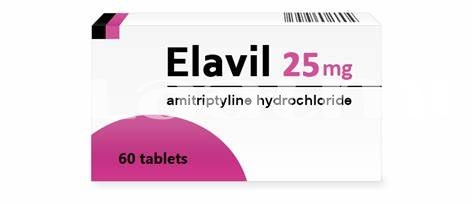
After years on elavil, Maya worried about stopping and sought a plan that honored her body. Start by listing dose history, patterns, and triggers; this narrative helps clinicians craft gradual, evidence-based reductions tailored to you.
Consult with a prescriber before changing doses. Typical advice favors slow decreases, often five to ten percent every two to four weeks, adjusted for response. Keep access to support and flexible pacing throughout, as needed.
Track symptoms daily using a simple journal or app: mood, sleep, appetite, pain, and withdrawal signs. Small routine adjustments — hydration, light exercise, consistent sleep — can reduce discomfort and provide measurable feedback for dose decisions, iteratively.
Expect setbacks and celebrate small gains. If severe symptoms arise — fainting, suicidal thoughts, uncontrolled vomiting — seek urgent care. Otherwise, maintain contact with your team, adjust pace compassionately, and plan gradual maintenance-free milestones, and document progress.
Medication Alternatives and Managing Rebound Symptoms Effectively
When I stopped elavil, the first week felt like a storm: headaches, nausea, and sudden mood swings. Learning which symptoms are rebound effects helps you respond calmly rather than panic.
Doctors sometimes switch patients to longer-acting antidepressants or temporary adjuncts to blunt withdrawal while tapering. Discuss risks, interactions, and realistic timelines before changing prescriptions.
Nonprescription options also help: sleep hygiene, low-dose melatonin, hydration, and gentle exercise reduce intensity. Cognitive strategies such as paced breathing and grounding techniques calm the nervous system during spikes.
Track symptoms daily, note triggers, and adjust plans with your clinician; small changes can prevent relapse. If severe mood changes, suicidal thoughts, or unmanageable physical symptoms appear, seek urgent care immediately now.
Lifestyle Strategies to Support Brain and Body Recovery

During my first weeks off elavil, I focused on small, reliable routines: consistent sleep windows, protein-rich breakfasts, and short walks before noon to jumpstart mood and circulation. Hydration and regular meals steadied energy and reduced dizziness, while avoiding alcohol sheltered fragile sleep.
Daily practices like breathwork, short mindfulness sessions, and light stretching eased anxiety and grounded foggy thinking. Gentle cognitive tasks — puzzles, reading aloud, simple work projects — nudged recovery without overwhelming attention. Keep caffeine modest and timed to prevent insomnia.
Build a weekly plan with realistic goals, track symptoms and sleep, and celebrate small wins. If balance slips or new symptoms appear, contact your clinician promptly and consider supervised adjustments. Ask about gradual taper options.
When to Seek Professional Help or Urgent Care
A tremor of panic crept in when my partner’s dose of elavil was cut too quickly; within days she developed dizziness, racing heart, and alarming confusion. These signs are more than discomfort — persistent fainting, high fever, seizures, chest pain, shortness of breath, suicidal thoughts, or loss of consciousness demand immediate medical evaluation. Don’t try to endure severe neurological or cardiac symptoms at home.
Contact your prescribing clinician or emergency services immediately; go to the nearest emergency department if symptoms escalate suddenly. For urgent but non‑life‑threatening concerns call your doctor, mental health crisis line, or poison control for guidance on stabilization, medication adjustments, or supervised care. Early professional intervention reduces risk and supports safer recovery.
Practical Tips for Tracking Progress and Preventing Relapse
Keep a simple daily log—note dose changes, sleep, mood, energy, cravings and any withdrawal symptoms. Use photos of pill bottles or an app to record doses and missed days so patterns jump out. Set small measurable goals (e.g., three sober nights, one week at reduced dose) and review weekly. Objective data helps you and your clinician adjust the taper safely.
Build a relapse plan: list triggers, coping strategies, phone numbers for support and emergency care. Practice responses—deep breathing, walks, calling a friend—so they become automatic. Celebrate milestones and share progress with a supportive person to reinforce gains. If setbacks occur, treat them as data points, not failure, and contact your clinician to revise the plan.