
Click HERE To Buy Flagyl Online ↓
 Flagyl Resistance: Causes, Trends, and Prevention
Rising Resistance: How Metronidazole Loses Effectiveness
Clinicians once relied on the predictable activity of metronidazole, but recent clinical anecdotes and surveillance reports tell a different story. Its once reliable killing of anaerobes and protozoa is eroding, with more relapses, longer symptom duration, and geographic clusters of poor outcomes that suggest evolving resistance and growing uncertainty in empirical prescribing.
Laboratory work identifies mechanisms such as reduced drug activation, enhanced efflux, and biofilm protection that blunt metronidazole efficacy. Inconsistent susceptibility testing and underreporting conceal spread, so treatment failures rise while guidelines lag. The result is avoidable morbidity for patients and urgent need for stewardship, faster diagnostics, alternative agents, and coordinated surveillance. Policy action, research investment, and funding are essential to slow resistance now.
| Mechanism | Clinical effect |
|---|---|
| Reduced activation | Lower susceptibility and higher treatment failure |
| Efflux / biofilm | Persistent infection and increased relapse |
Microbial Mechanisms Behind Flagyl Resistance Emergence
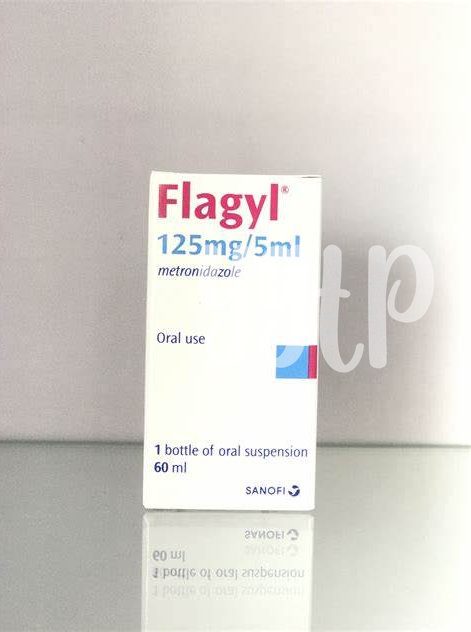
In labs and clinics, microbes adapt under drug pressure. Exposure to flagyl selects variants with altered drug activation pathways. Anaerobic bacteria and protozoa evolve mechanisms reducing nitroimidazole activity through selection and horizontal gene transfer processes.
Resistance often stems from impaired drug activation: mutations in reductases or ferredoxin-like electron carriers lower reactive radical formation. Some bacteria upregulate efflux pumps or acquire plasmid-borne enzymes that neutralize nitroimidazole metabolites and reduce clinical efficacy.
Biofilm communities and oxygenated niches hinder flagyl penetration and alter redox balance, protecting cells. Metabolic shifts toward fermentation, slow growth, and persister cell formation further reduce susceptibility, complicating eradication during standard courses and treatment outcomes.
Genetic exchange via transposons and plasmids spreads resistance determinants rapidly across species. Surveillance and molecular diagnostics reveal these patterns, guiding development of adjuvant inhibitors, alternative agents, and stewardship policies to preserve metronidazole efficacy and outcomes.
Clinical Consequences: Treatment Failures and Patient Outcomes
A common scene in clinics is a patient returning with persistent symptoms after a standard course of flagyl; what began as hope becomes uncertainty as clinicians confront an infection that no longer responds. These failures prolong suffering, increase transmission risk, and force repeated or broader-spectrum treatments that carry higher toxicity and disruption to the gut ecosystem.
Clinicians scramble to adjust regimens, often adding combination antibiotics or escalating to IV therapy, which raises adverse events and healthcare costs. Relapse and complications such as abscesses or infertility after gynecologic infections become more likely, and vulnerable populations bear a disproportionate burden. These outcomes underscore urgency for rapid diagnostics, targeted, timely therapy, and prevention efforts to limit subsequent harm.
Global Trends: Surveillance, Hotspots, and Resistance Patterns
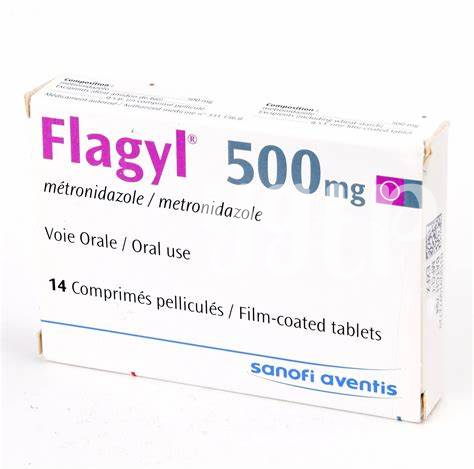
Surveillance networks now stitch together local outbreaks into a global story, revealing where metronidazole once reigned but now falters. Rising reports from hospitals and community clinics signal widening resistance.
Hotspots emerge unpredictably: regions with heavy antibiotic use, inadequate sanitation, or limited diagnostics show higher rates. Studies cluster resistance in particular countries, underscoring social and ecological drivers.
Surveillance gaps skew our view; many low‑resource settings lack genome sequencing and standardized assays, so true prevalence of flagyl resistance may be underestimated while hotspots remain hidden.
International collaboration, data sharing, and harmonized metrics are essential to track patterns, guide targeted interventions, and adapt clinical guidelines before resistance undermines commonly used therapies across diverse health systems worldwide and globally.
Diagnostic Challenges: Detecting Resistance Rapidly and Reliably
Clinicians face a tense race: patients deteriorate while labs lag, and empiric use of flagyl often continues because rapid resistance signals are elusive and clinical cues are ambiguous.
Standard culture-based assays remain gold standard but are slow, with anaerobic cultivation hurdles and interpretation variability that delay targeted therapy and fuel empirical broad-spectrum antibiotic use in many settings.
Molecular tests offer faster detection of resistance determinants but suffer from limited panels, variable sensitivity, and uncertain correlation between detected markers and clinical failure after flagyl or other agents.
Bridging gaps requires point-of-care innovations, harmonized breakpoints, investment in diagnostics, and clinician education so results translate swiftly into treatment changes and improved patient outcomes across hospitals and communities globally.
| Test | Turnaround |
|---|---|
| PCR | Hours |
| Culture | Days |
Prevention Strategies: Stewardship, Alternatives, and Future Directions
Clinicians must adopt antibiotic stewardship: precise diagnoses, narrow-spectrum choices, optimized dosing and shorter courses limit selective pressure and preserve metronidazole utility.
Alternative approaches include using other active agents, combination therapy to prevent resistance emergence, and adjunctive measures such as probiotics or bacteriophage exploration to restore microbiome balance.
Enhanced diagnostics—rapid susceptibility assays and molecular markers—enable tailored treatment and earlier switches when failure looms, reducing unnecessary exposure and improving outcomes. Clinician education and patient counseling are essential.
Global surveillance, investment in novel nitroimidazoles and nontraditional antimicrobials, and public education about appropriate use form a cohesive future strategy to curb resistance and protect patients. Policymakers must fund research and equitable access to diagnostics and therapies. Worldwide coordination helps.