
Click HERE To Buy Hydrochlorothiazide Online ↓
 Managing Hydrochlorothiazide Side Effects: Tips and Remedies
Spotting Early Signs: When Symptoms Need Attention
A sudden flutter of dizziness or unusual thirst can feel like a minor nuisance, yet these early clues deserve attention. Don’t ignore subtle shifts; small signs can prevent complications.
Track changes: note timing, severity, and triggers for symptoms such as muscle cramps, frequent urination, or excessive tiredness. Photograph symptoms or medication labels for accurate follow-up purposes.
Seek prompt medical advice for chest pain, fainting, severe weakness, signs of low potassium (muscle spasm, irregular heartbeat), or allergic reactions. Immediate care matters if breathing changes or swelling appears.
Keeping a simple symptom log and sharing it with your clinician helps distinguish benign side effects from those needing intervention. Ask about lab checks for sodium and potassium periodically.
| Symptom | When to seek help |
|---|---|
| Fainting | Immediately |
| Muscle cramps/weakness | If severe or persistent |
Practical Dietary Tweaks to Ease Side Effects
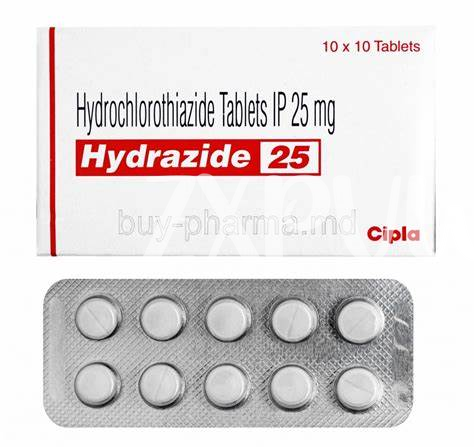
Each morning I scan pantry and plan meals that help my body stay balanced on hydrochlorothiazide. Simple swaps—bananas, cooked spinach, sweet potatoes and avocados—boost potassium, while cutting processed snacks lowers sodium that can worsen swelling or blunt diuretic effects. I favor regular meals with lean protein to steady blood sugar and ward off lightheadedness; pairing carbs with protein blunts dizzy spells sometimes triggered by blood-pressure drugs.
Choosing foods reduces the need for mineral supplements that can interact with medications; before adding potassium or magnesium pills, check with clinician and review lab results. Also, sip electrolyte fluids rather than sugary drinks, prioritize fiber-rich produce to support digestion, and limit alcohol and caffeine that can increase dehydration and fatigue. Reviewing food labels and keeping consistent meal timing makes side effects easier to manage and gives clinician data to adjust therapy if needed.
Smart Hydration Strategies Without Triggering Electrolyte Imbalance
On hot days I learned to sip steadily rather than gulping water; small, frequent amounts helped prevent lightheadedness.
When my doctor started me on hydrochlorothiazide she advised monitoring salt and potassium rather than just chasing fluid intake.
Electrolyte drinks can be useful but choose low‑sugar, balanced options or dilute sports beverages to avoid excess calories.
Track daily weight and urine color as simple signals; sudden changes warrant prompt contact with your clinician. Space fluids through the day, increase intake around activity, and avoid alcohol or excessive caffeine which can worsen dehydration. Discuss any potassium or magnesium supplements before starting them, because combined effects with a diuretic can alter heart rhythm and electrolytes and blood pressure.
Medication Interactions: What to Tell Your Doctor

I felt my pulse quicken and a foggy fatigue settle after starting a new pill, so I made a list before my visit. Bringing exact names and dosages helps your clinician spot dangerous combinations or duplicates.
Mention prescriptions, over the counter drugs, vitamins, herbal supplements and topical agents, even antacids or salt substitutes can matter. Be specific about kidney disease, heart rhythm issues, gout, diabetes and pregnancy plans, since hydrochlorothiazide and some analgesics, lithium, ACE inhibitors or certain antidepressants can interact.
Ask which symptoms warrant labs, how often electrolytes and kidney function should be checked and whether timing or dose changes could reduce risk. A shared medication list or pharmacy printout makes follow up simpler.
Lifestyle Adjustments to Reduce Dizziness and Fatigue
I learned to slow down when lightheaded hit, pausing to sit and breathe before resuming tasks; small pauses stabilize blood pressure gently.
With hydrochlorothiazide, I stagger activities, avoid sudden standing, and plan heavier chores for mornings when energy and balance feel stronger throughout the week.
Gentle exercise, like short walks and tai chi, rebuilds stamina and reduces orthostatic dizziness; consult your clinician before starting new routines regularly.
Sleep, scheduled meals, and caffeine moderation matter; track symptoms in a journal to share with your provider and adjust timing or dose safely.
Home Remedies and Supplements: Benefits and Risks
When I first started HCTZ, I reached for familiar remedies—extra potassium-rich foods and a magnesium supplement—to ease muscle cramps. Those small changes sometimes help, but they can also mask electrolyte shifts caused by the drug, so moderation and monitoring are essential.
Herbal teas like dandelion or hibiscus claim diuretic benefits, yet they may amplify blood-pressure or potassium effects. Over-the-counter potassium chloride and salt substitutes require caution; discuss any supplements with your clinician before starting them to avoid dangerous interactions.
Quality matters: choose reputable brands, also follow dosing guidelines, and get periodic lab checks for sodium, potassium, and kidney function. If you notice worsening fatigue, palpitations, or lightheadedness, stop supplements and contact your healthcare provider immediately.