
Click HERE To Buy Neurontin Online ↓
 Gabapentin Dosage Guide: Starting, Adjusting, and Safety
How to Start Gabapentin: Initial Dose Tips
Begin cautiously: imagine meeting a new guide for nerve pain. Start low, often 100–300 mg nightly, to gauge tolerance. and observe response.
Communicate side effects promptly. Dizziness or drowsiness often appear early; reduce activity until you understand how it affects you and seek advice.
Follow your prescriber’s plan: many increase slowly over weeks. Keep a medication log of dose, timing, and symptom changes for clarity and safety.
If you take other CNS depressants or have kidney issues, mention them now. Adjustments prevent accumulation and reduce risk of harm and complications.
| Schedule | Typical Start |
|---|---|
| Nightly | 100–300 mg |
Titration Strategies: When and How to Increase
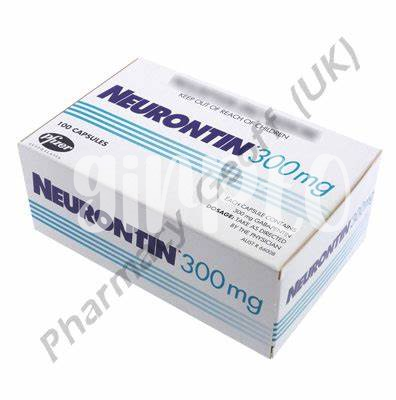
Starting a titration feels like easing into a new route; clinicians begin low and move gradually to balance relief and tolerability. For neuropathic pain, common start is 100 mg at night, then reassess after several days before increasing.
When symptoms persist with minimal side effects, clinicians may increase doses every three to seven days by 100–300 mg increments. Patients told to track sleepiness, dizziness, and mood changes help guide safe upward titration of neurontin under supervision.
If side effects emerge, pausing or slowing increases prevents harm; severe sedation or suicidal thoughts require immediate medical contact. Older adults and those with kidney impairment need longer intervals and lower increments — personalization is essential for safe effectiveness.
Adjusting Dosage for Pain Versus Seizure Control
When treating different conditions, dosing can feel like navigating two maps; pain often responds to gradual increases while seizure control may demand higher steady levels. Patient history and co‑medications alter choices significantly too.
Clinicians typically start neurontin lower for neuropathic pain and titrate until pain relief or tolerability limits are reached. Consider age and kidney function too.
For epilepsy, consistent therapeutic exposure matters: timing, adherence, and reaching effective daily doses reduce breakthrough events more than occasional spikes in dose. Therapeutic monitoring helps maintain levels safely consistently.
Discuss goals with your prescriber, monitor side effects, and adjust slowly—balancing symptom control and safety ensures the best outcome for each individual. Keep a diary and report breathing changes.
Managing Common Side Effects and Minimizing Risks

Starting neurontin can feel like stepping into unfamiliar ground: mild dizziness, sleepiness, or swelling may arrive first. Ease these effects by taking the dose at night, splitting doses to reduce peak sedation, and avoiding alcohol or other sedatives. Stay hydrated, rise slowly from sitting or lying positions to prevent lightheadedness, and report severe or persistent symptoms to your prescriber. Keeping a simple symptom diary helps distinguish transient side effects from problems requiring adjustment for safety.
To minimize risks, clinicians adjust dosing for kidney impairment and use lowest effective doses, especially in older adults prone to falls. Never stop gabapentin abruptly; tapering over days to weeks lowers withdrawal and seizure risks. Watch for mood changes or suicidal thoughts and seek immediate care if they occur. Pharmacist counseling about interactions and careful medication reconciliation can prevent additive CNS depression and improve safety.
Renal Dose Adjustments and Special Populations Guidance
Start by assessing kidney function—calculate creatinine clearance or eGFR before prescribing. Neurontin is renally cleared, so impaired function requires lower doses or longer dosing intervals. Adjustments reduce toxicity risk significantly.
For patients on hemodialysis give a supplemental dose after each session; dose and frequency are determined by residual renal function. Elderly and low-weight patients often need conservative regimens and monitoring.
In pregnancy or pediatric cases consult specialists—pharmacokinetics differ and safety profiles vary. Individualize dose and monitor closely for sedation or respiratory depression as clinically indicated.
Document baseline renal tests and reassess periodically. Educate patients to report dizziness, swelling, or breathing changes. Coordinate with nephrology for severe impairment and dialysis schedules. This ensures safe, effective therapy.
| CrCl (mL/min) | Dosing Note |
|---|---|
| >60 | Standard dosing |
| 30–60 | Reduce dose or extend interval |
| <30 | Significant reduction; consult nephrology |
Stopping Gabapentin Safely: Tapering and Withdrawal Prevention
When you decide to stop gabapentin, plan a gradual taper with your clinician to avoid withdrawal symptoms like anxiety, insomnia, sweating, or increased pain. A slow reduction—often over weeks—lets the nervous system adjust, maintaining safety and preventing sudden relapse of seizures or neuropathic flare-ups.
Discuss individualized schedules, slower tapering for long-term users, and dose reductions based on renal function. Monitor mood, sleep, and pain, and report concerning symptoms promptly. Your provider may suggest dose-splitting or temporary adjunctive medications, and will create an emergency plan if seizures or severe withdrawal arise.