
Click HERE To Buy Nolvadex Online ↓
 Nolvadex Vs Aromatase Inhibitors: Comparative Guide
How These Drugs Work: Mechanisms Compared
Tamoxifen binds estrogen receptors in breast cells, blocking estrogen driven growth. It acts as an antagonist in breast tissue but can be agonistic elsewhere, giving mixed effects that inform long term safety decisions.
Aromatase inhibitors stop peripheral estrogen synthesis by inhibiting the aromatase enzyme, dramatically lowering circulating estrogen after menopause. This deprives hormone sensitive tumors of their fuel.
Clinicians choose based on menopausal status, side effect profiles, and recurrence risk; tamoxifen preserves some estrogen activity, while aromatase inhibitors achieve deeper suppression.
| Drug | Action |
|---|---|
| Tamoxifen | Receptor blockade |
| Aromatase inhibitors | Estrogen synthesis |
Effectiveness: Breast Cancer Stages and Outcomes
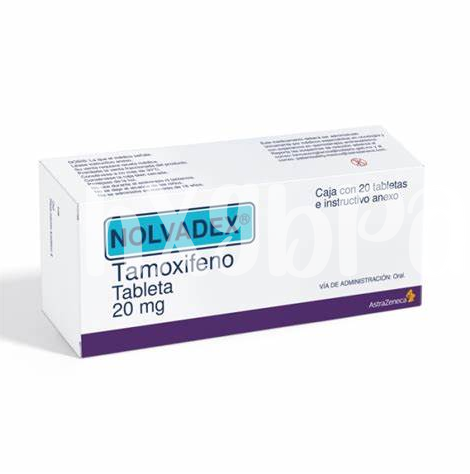
In early-stage hormone receptor–positive breast cancer, both tamoxifen and aromatase inhibitors can be highly effective; clinicians often choose nolvadex for premenopausal women because it blocks estrogen receptors without eliminating systemic estrogen. Studies show recurrence risk drops significantly with appropriate endocrine therapy, and patient age and menopausal status guide the decision.
For postmenopausal patients, aromatase inhibitors generally offer slightly better disease-free survival compared with tamoxifen, particularly in node-positive disease, by reducing peripheral estrogen production. Long-term trials report modest improvements in preventing contralateral cancers and recurrence when switching strategies or extending therapy.
Advanced or metastatic settings prioritize symptom control, side-effect tolerance, and prior treatments; endocrine resistance may necessitate targeted combinations. Shared decision-making balances efficacy data, tolerability, bone and cardiovascular risks, and patient preferences. Regular monitoring and consideration of quality of life are essential when tailoring long-term endocrine therapy for each individual patient.
Side Effects Profile: Short-term Versus Long-term Risks
Patients often notice early symptoms: hot flashes, mood swings, and nausea can accompany nolvadex, while aromatase inhibitors frequently cause joint pain and fatigue. These immediate effects may affect daily life but are usually manageable with supportive care and temporary dose adjustments in many cases effectively.
Long-term risks diverge: aromatase inhibitors raise concerns about bone density loss and fracture risk, while prolonged nolvadex use slightly increases blood clots and endometrial cancer risk. Regular bone scans, cardiovascular assessment, and tailored preventive strategies help clinicians balance benefit versus harm over extended treatment periods
Hormonal Impact: Estrogen Suppression and Preservation
Imagine hormones as a tide; treatments either push it back or reshape the shoreline. nolvadex acts like a selective shield in breast tissue, modulating estrogen’s effect without full removal systemically.
Aromatase inhibitors instead lower circulating estrogen by blocking conversion in fat and adrenal tissue, producing deeper systemic suppression which can be more effective in postmenopausal women but raises other risks.
Clinicians weigh bone health, cardiovascular markers and fertility desires when choosing therapy; monitoring, supplements and individualized duration help preserve quality of life while maximizing cancer control for each patient effectively.
Choosing between Them: Factors Doctors Consider
Clinicians weigh age, tumor hormone-receptor status, menopausal state, and prior treatments when deciding between options. A younger woman with estrogen-receptive cancer might tolerate nolvadex’s selective modulation, while postmenopausal patients often benefit more from aromatase inhibition. Patient comorbidities and bone health shape the pathway chosen.
Doctors also consider side-effect profiles, fertility plans, cost and adherence potential, plus available monitoring. Shared decision-making frames recommendations: clearer survival evidence, recurrence risk, and quality-of-life trade-offs guide individualized therapy discussions with clear follow-up plans. They factor in patient preferences, prior tolerability, and long-term surveillance needs too.
Practical Tips: Dosing, Monitoring, Interactions, Cost
Beginning a course often feels daunting, but clear dosing rules make it manageable: tamoxifen is 20 mg daily, while aromatase inhibitors are typically anastrozole 1 mg, letrozole 2.5 mg or exemestane 25 mg once a day. Take consistently, report missed doses, and never adjust without your oncologist.
Baseline and periodic checks focus on bone density, lipids, liver function and signs of endometrial changes or joint toxicity; report new symptoms promptly. Be mindful of drug interactions — some antidepressants and CYP inhibitors can blunt tamoxifen’s benefit, while statins and common OTCs may alter AI metabolism.
Cost varies: generics lower expense but insurance coverage and duration of therapy (commonly five to ten years) influence out-of-pocket spending. Discuss switching strategies, side-effect mitigation and timing with your oncologist. Regular follow-ups and lifestyle steps — calcium, vitamin D and weight-bearing exercise — reduce long-term harms.