
Click HERE To Buy Prednisolone Online ↓
 Tapering Prednisolone: Strategies and Timelines
Understanding Why Tapering Prednisolone Matters for Your Health
My body remembered steroids longer than I expected. Stopping prednisolone suddenly can blunt adrenal function, leaving you weak, dizzy and at risk of crisis.
Tapering gives the adrenal glands time to recover and reduces withdrawal and disease flare. Personalized schedules consider dose, duration and underlying illness; one-size-fits-all plans can fail.
Work closely with your clinician to monitor symptoms, adjust pace, and check cortisol when indicated. Careful tapering protects health, prevents relapse, and restores steady energy. Individual response differs: duration, dose history, age and other medicines affect how fast you taper.
| Risk | Why |
|---|---|
| Adrenal suppression | Needs gradual recovery |
Recognizing Signs of Adrenal Insufficiency during Taper
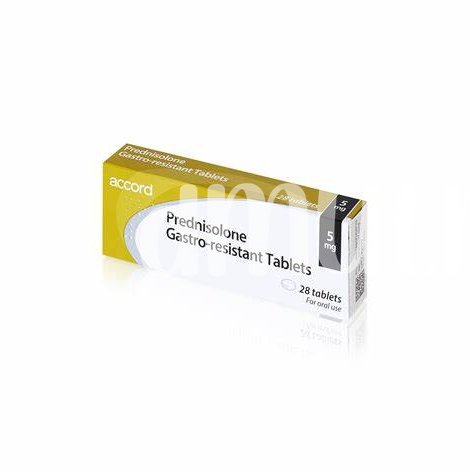
Lowering prednisolone can feel like a relief but also unmask fatigue, lightheadedness and muscle weakness that don’t match your activity. You may notice nausea, abdominal pain, weight loss, salt cravings or low mood. Symptoms often wax and wane during dose reductions and can intensify with stress or illness.
Check for dizziness on standing, fainting, low blood pressure or unexplained low glucose and report promptly. Mild symptoms may be managed by slowing the taper, but severe or progressive signs require urgent evaluation and testing (morning cortisol, ACTH stimulation) to guide treatment.
Common Tapering Schedules and How to Personalize
Many people expect a single blueprint but tapering often follows patterns: short courses may drop quickly over days, while long-term users shift slowly, commonly reducing dose by 5 to 10 percent every two weeks or stepping down in small decrements. Clinicians use alternate day adjustments or pause and hold steps when symptoms appear.
Personalization hinges on history: starting dose, duration, flares, and risks like adrenal suppression or infection. Monitoring fatigue, appetite, sleep, and blood pressure guides pace; biochemical tests such as morning cortisol or ACTH stimulation inform safety. The drug prednisolone isn’t pharmacology — it frames potency and expected recovery timelines.
A practical plan balances disease control and adrenal recovery: set target rates, educate about warning signs, and agree clear checkpoints. Be ready to slow or reverse reductions if symptoms or labs worsen. Communication keeps the taper safe and tailored.
Practical Tips to Minimize Withdrawal Symptoms Safely

Imagine waking slowly back to yourself after weeks on prednisolone; small daily choices shape recovery. Start with planned dose reductions, log symptoms, and keep regular sleep and meal routines to support adrenal rebound.
Stay hydrated, maintain gentle exercise, and prioritize calcium and vitamin D. Avoid abrupt stops, watch for fatigue, dizziness, or abdominal pain, and use short-acting steroid adjustments only under clinician guidance.
Communicate changes promptly, consider slow tapering if symptoms recur, and use stress-dose plans for illness. Empowerment comes from informed choices and close clinician collaboration and regular testing.
When to Pause, Slow Down, or Reverse Tapering
Sometimes the body protests a fast prednisolone taper; when dizziness, severe fatigue, or fainting appear, treat them as signals to pause. Listening matters: a pause lets symptoms settle, adrenal function recover, and clinicians reassess doses, tests, or concurrent therapies and low blood pressure.
Slow down if symptoms recur during reduction or if stress, infection, or surgery challenge you; decreasing the step size and extending intervals often avoids crisis. Reverse only under medical guidance with monitoring and possibly temporary replacement doses to protect recovery and wellbeing. Seek urgent care if severe.
Collaborating with Clinicians on Tests, Monitoring and Decisions
Imagine sitting with your clinician as you map the taper: bring symptom logs, a clear medication history and any stressors so tests like morning cortisol, ACTH and electrolytes are interpreted in context. Agree on monitoring frequency, sick‑day rules and thresholds for slower tapering; ask how labs will change management and whether endocrinology referral is warranted if cortisol remains low or symptoms persist.
Keep communication open: report new fatigue, dizziness or fever promptly, regularly record blood pressure and weight if instructed, and discuss patient preferences and risks when adjusting doses. A shared plan for emergency steroid coverage ensures safety during intercurrent illness and gives you confidence to continue a carefully supervised taper with timely lab review.