
Click HERE To Buy Prelone Online ↓
 Tapering Off Prelone Safely: Step-by-step Plan
Why Gradual Taper Matters: Risks and Rewards
I remember the first time a physician explained tapering: slow reductions protect fragile adrenal function and lower dramatic rebound risks. Gradual change allows the body to adapt, keeping daily life steadier while preserving long-term health.
Abrupt stops can trigger fatigue, dizziness, joint pain, and potentially dangerous adrenal insufficiency. A slow plan reduces those risks; it also reveals whether symptoms are medication-related or from the underlying condition, guiding smarter treatment decisions.
Emotionally, tapering slowly eases anxiety—patients feel more in control when changes are measured. Clinicians can adjust pace based on response, laboratory data, and life events, making the journey personalized rather than a one-size-fits-all ordeal approach.
Rewards include preserved adrenal reserve, fewer relapses, and clearer signals about necessary long-term therapy. With careful monitoring, the modest inconvenience of a slow taper pays off in safety, quality of life, and better clinical outcomes.
| Risk | Reward |
|---|---|
| Adrenal crisis | Adrenal recovery |
| Severe withdrawal | Fewer relapses |
| Mood swings | Clearer treatment decisions |
Preparing with Your Doctor: Assessing Baseline Health
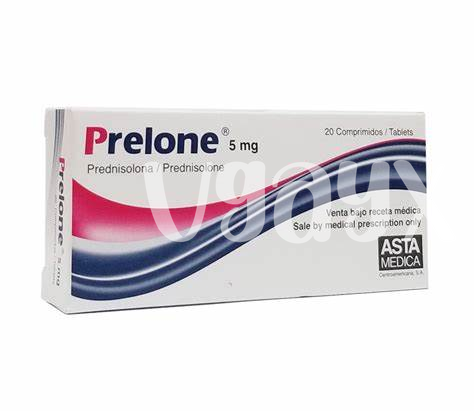
As you sit with your clinician, describe symptoms, medical history, and current prelone dose; clear communication builds a safer starting point and expectations.
Baseline tests—blood pressure, glucose, cortisol when possible—help map adrenal function and comorbidities before any tapering begins, and medication interactions are carefully reviewed.
Discuss risks like adrenal insufficiency, prior steroid responses, and realistic timelines; shared decision-making tailors the prelone taper to your life and goals.
Plan follow-ups, emergency instructions, and clear symptom logs; regular review lets your doctor pause or adjust the taper if needed for safety reasons.
Creating a Personalized Slow Taper Plan Safely
When I first discussed tapering prelone with my doctor, the plan felt like a roadmap drawn for my life. A slow, stepwise approach honors individual health history, dosing, and response, reducing shock to the adrenal system.
Start by documenting current dose schedules, duration of therapy, and any flares that prompted treatment. Baseline labs, blood pressure, weight, and symptom diaries give measurable checkpoints to guide dose reductions safely over weeks or months ahead.
Typical reductions are small—often 10–20% of the current dose—followed by steady observation. Adjust the interval based on symptom return; some people benefit from splitting doses or temporary stabilization before continuing reductions and careful documentation.
Keep close communication with your clinician and log symptoms, blood pressure, and energy. If severe fatigue, dizziness, or worsening disease appears, pause tapering and seek urgent medical review so adjustments can be made promptly.
Managing Withdrawal Symptoms: What to Expect Daily
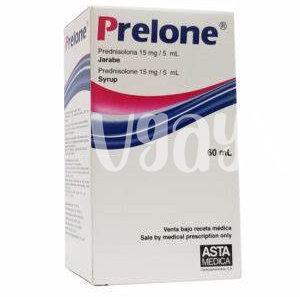
Morning might bring fatigue and lightheaded moments as your body adjusts; note patterns in a journal and communicate changes to your clinician. Small fluctuations in mood, sleep, or appetite are common when tapering prelone, and tracking helps tailor timing and dose reductions.
Daily symptoms often come in waves: headaches, muscle aches, or nausea may appear then ease. Use gentle pacing, stay hydrated, and avoid abrupt activity spikes. Expect better days and setbacks; gradual progress is the goal.
Keep a simple scale to rate intensity and note triggers like missed doses or poor sleep. If symptoms intensify, pause reductions and consult your prescriber—adjustments can prevent adrenal crisis and support safer recovery over time with care steadily.
Lifestyle Strategies to Support Adrenal Recovery
Recovery after steroid taper feels gradual; small rituals matter. Begin by prioritizing sleep hygiene: regular bedtimes, dark room, and wind-down routines support HPA axis resets and improve mood during prelone reduction and gentle lighting indoors.
Nourish with balanced meals rich in protein, healthy fats, and vegetables. Small frequent portions stabilize blood sugar and energy; include sodium and hydration strategies as advised by your clinician to ease adrenal strain during recovery.
Pace activity: gentle walks, restorative yoga and graded exercise help rebuild stamina without overstressing the axis. Listen to fatigue signals, rest when needed, and gradually increase intensity under medical guidance and track symptoms daily consistently.
Cultivate stress reduction: breathing techniques, mindfulness, and social support lower cortisol spikes and aid adrenal recovery. Communicate openly with your provider about symptoms, medication changes, and emotional needs throughout tapering to ensure safe, steady progress.
| Tip | Why |
|---|---|
| Sleep routine | Supports HPA reset |
| Hydration & sodium | Maintains energy |
Knowing When to Pause or Seek Help
You might feel proud as doses drop, but sometimes the body signals that slowing or pausing is wise. Trust patterns: sudden severe weakness, fainting, or confusion are urgent red flags, while creeping fatigue, nausea, or sleep loss suggest the taper needs reassessment.
If you experience dizziness, low blood pressure, vomiting, significant weight loss, suicidal thoughts, or an inability to perform daily tasks, stop tapering and contact your clinician immediately. For milder but persistent symptoms—muscle aches, brain fog, mood swings—consider holding the current dose and reassessing in a few days.
Seek urgent care for collapse, severe dehydration, or rapidly worsening mental health. For non-urgent concerns, schedule a visit with the prescribing physician or an endocrinologist to check adrenal function, electrolytes, and to discuss slow-down options; medication adjustments or temporary dose increases are reasonable and sometimes necessary.
Keep clear records and communicate.