
Click HERE To Buy Semaglutide Online ↓
 Diet and Exercise with Semaglutide: Maximizing Results
How Medication Changes Appetite and Energy Levels
Starting this prescription felt like a dimmer switch for hunger: meals became easier to pass on, and cravings quieted. Physiologically, reduced appetite often reflects changes in satiety signals and slower gastric emptying, so portion sizes shrink naturally while the brain recalibrates reward responses to food.
Energy patterns shift; some report steadier activity and fewer crashes, while others feel fatigue as intake falls. Sensible meal timing, sufficient protein and light movement ease adaptation. Track energy with meals and workouts to tailor intake and avoid underfueling during training through recovery and sleep.
| Effect | Quick Tip |
|---|---|
| Lower appetite | Smaller portions |
| Energy shifts | Adjust meals |
Designing Balanced Meals for Sustainable Fat Loss

I started with small swaps: half the plate vegetables, lean protein and a modest serving of whole grains. Over weeks, hunger cues shifted thanks to semaglutide and conscious choices became easier.
Aim for protein at every meal to protect muscle and increase satiety; include healthy fats like olive oil or avocado for absorption and flavor.
Carb choices should prioritize fiber, beans, oats, and colorful produce, while portioning prevents overconsumption. Simple meal templates and batch cooking reduce decision fatigue and keep calories consistent.
Track how different meals affect energy and appetite, then adjust macros and portions. Sustainable change marries food with evidence based structure. Seek guidance from a clinician to tailor targets, ensuring long term safety.
Strength Training Strategies to Preserve Lean Muscle
She arrived determined, matching semaglutide driven weight loss with resistance work. Emphasize compound movements — squats, deadlifts, presses — choosing loads for 6 to 12 reps and 3 sets. Train two to four times weekly, progressing load slowly so muscles receive a consistent retention signal each session.
He tracked strength gains over scale readings, increasing protein to support repair and timing meals around sessions. Aim for 1.2 to 1.6 grams per kilogram, cycle intensity across months, prioritize sleep and rest. If semaglutide reduces energy, lower volume rather than intensity to preserve muscle.
Cardio and Interval Workouts to Boost Metabolism
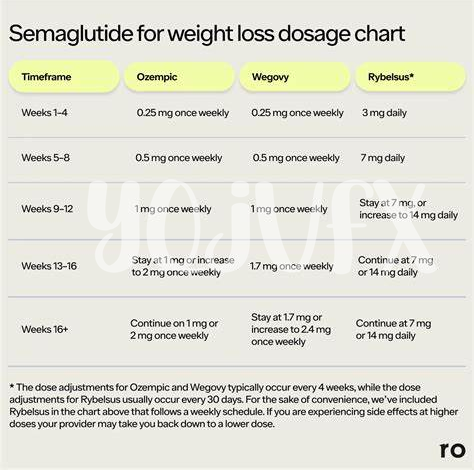
Morning runs and quick stair sprints became my laboratory for exploring how movement amplifies medication-driven changes. Short bursts of high-intensity effort raise post-exercise oxygen consumption, nudging metabolism upward for hours, while moderate steady sessions build endurance and support fat oxidation. For people using semaglutide, this mix helps convert reduced appetite into sustained calorie deficit without muscle loss: aim for two to three interval sessions weekly plus one longer, lower-intensity workout.
Structure intervals with work-to-rest ratios that match fitness level — 20–30 seconds hard with 60–90 seconds easy for beginners, progressing to 1:1 as fitness improves. Include strength circuits or hill repeats to preserve lean tissue and keep calories burning. Monitor exertion rather than obsessing over pace; heart rate, perceived effort, and recovery trends guide adjustments. Prioritize sleep and hydration to maximize metabolic benefits and reduce injury risk as training ramps up.
Managing Common Side Effects While Staying Active
I learned to listen to cues: when nausea hit after starting semaglutide, regular gentle walks and smaller, protein-rich snacks helped. Calming routines before workouts reduced dizziness and kept motivation steady.
Hydration, paced meals, and timing medications around light activity prevented fatigue. If side effects persisted, I communicated with clinicians to tweak doses, ensuring safe training intensity without sacrificing progress sustainably.
Adjusting workouts—shorter sessions, lower impact choices, or active recovery—kept me consistent. Tracking patterns in symptoms helped identify triggers and adapt plans so gains weren’t lost during medication changes and resilient.
| Side Effect | Quick Tip |
|---|---|
| Nausea | Small, frequent protein snacks; gentle walking |
| Fatigue | Hydrate, split sessions, rest days |
| Dizziness | Slow position changes; monitor intensity |
Tracking Progress and Adjusting Plan for Long Term
You start by logging small wins: a longer walk, steadier appetite, a kilo lost — these markers tell a story beyond numbers and mood improvements.
Use objective data: body composition, resting heart rate, workout performance, and medication response. Review monthly and note meaningful trends for better guidance.
Adjust calories, protein targets, and training intensity based on progress; reduce deficits slowly and prioritize recovery to prevent muscle loss and fatigue.
Stay flexible: celebrate plateaus as learning moments, consult your clinician about dosing or timing, and set sustainable, evolving goals with realistic timelines.