
Click HERE To Buy Tenormin Online ↓
 Tenormin Dose Guide: Finding Your Right Amount
Understanding Tenormin: How It Works and Why
Imagine your heart slowing to a steadier rhythm: Tenormin blocks adrenaline’s push on beta receptors, easing heart rate and lowering blood pressure. Physicians prescribe it for hypertension, angina and after heart attacks, aiming to reduce strain and prevent dangerous rhythms while improving symptoms and long-term outcomes.
Dosage varies with goals and tolerance; clinicians balance benefits against side effects, adjusting slowly and monitoring pulse, blood pressure and symptoms.
| Action | Effect |
|---|---|
| Blocks beta receptors | Reduces heart rate and lowers blood pressure |
| Common medical uses | Hypertension angina post heart attack |
| Dose | Individualized therapy |
Typical Starting Doses: Who Gets What Amount
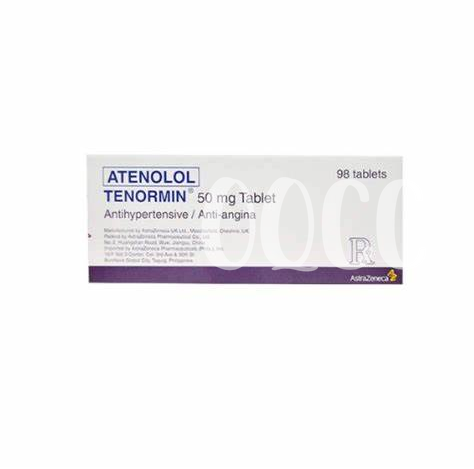
When a person first meets their clinician about palpitations or hypertension, treatment often begins cautiously. For many adults the usual initial dose is 25 to 50 mg once daily, which allows time to monitor response and side effects.
People with angina or those recovering from a cardiac event may start higher, commonly 50 to 100 mg daily, but physicians tailor the amount to symptoms and comorbidities. Older adults, frail patients, or those with slow heart rates usually begin at the lower end to reduce dizziness and fatigue.
Pediatric dosing is weight-based and differs from adult regimens, while kidney impairment often calls for dose reductions or longer dosing intervals. Always discuss goals, expected benefits, and follow-up plans with your prescriber when starting tenormin. Dose adjustments are individualized, balancing symptom control and side effects through scheduled reviews, vital-sign checks, and regular monitoring.
Adjusting Your Dose: Titration and Timing Tips
Anna eased into treatment with tenormin, starting at a low dose and noting how her pulse and blood pressure felt day to day. She recorded symptoms—lightheadedness, fatigue, sleep changes—and shared numbers with her clinician. Small increment changes spaced a week apart let her physician judge benefit versus side effects, ensuring control of hypertension without unnecessary sedation. This slow, attentive approach reduced surprises and built confidence. She kept a simple diary.
Timing can matter: take doses consistently—preferably at the same time each day—and avoid skipping or doubling up. If nighttime doses cause vivid dreams or fatigue, discuss moving them to morning; if morning lightheadedness occurs, split dosing or dose reduction may help. Never stop tenormin abruptly; tapering prevents rebound hypertension. Keep an open line with your provider, ask about interactions (beta‑agonists, certain antidepressants), and schedule follow-up checks and monitor side effects.
Special Populations: Seniors, Kids, Kidney Impairment
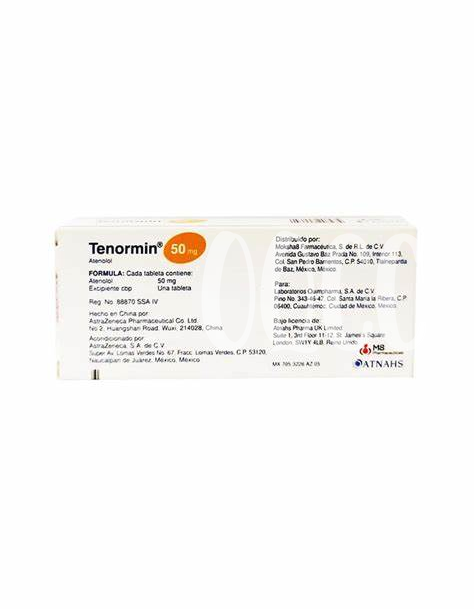
An older relative taking tenormin may require gentler starts and slower changes; age-related sensitivity and slower metabolism often mean lower initial doses and careful monitoring of blood pressure and heart rate. Children, when prescribed beta-blockers, need weight-based dosing and pediatric cardiology input; parents should track energy levels, breathing, and school performance so adjustments reflect real-life effects, not just clinic numbers.
For people with reduced kidney function dosing must be individualized, as clearance affects active levels; clinicians may lower tenormin doses or space them differently and monitor creatinine, electrolytes, and symptoms. Those on dialysis need coordination with nephrology to time doses and adjust after sessions. Watch for dizziness, slow pulse, or fluid retention and report them promptly. Shared decisions, clear lab follow-up, and written instructions help balance benefit and safety in these vulnerable patients. Adjustments should be reassessed regularly with care.
Side Effects and When to Lower Dose
I remember my first week on tenormin: a lightheaded morning, a slower pulse, and a sense that my body was adjusting. Those early signals are often the clearest clues that the amount might be too strong. Pay attention to dizziness, fainting, unusually low energy, or shortness of breath.
Common reactions include fatigue, cold extremities, mild nausea, and sleep disturbances; less common but serious signs are chest pain, very slow heartbeat, or sudden swelling. If these occur persistently, consider discussing a lower target with your clinician. Lab checks and blood pressure logs can reveal patterns. Also monitor mood changes and exercise tolerance, noting any gradual decline.
Adjustment should be gradual; never stop abruptly, and aims to balance benefit with tolerability. Ask about alternative schedules, dose splits, or different agents if symptoms interfere with life. Timely communication keeps treatment safe and effective.
| Symptom | Action |
|---|---|
| Dizziness | Monitor and contact clinician |
| Very slow pulse | Hold dose and seek urgent advice |
Working with Your Doctor: Questions to Ask
Bring a list of all medications, supplements, and symptoms to each visit. Describe when side effects occur and how your pulse, breathing, or fatigue change after dosing to help guide adjustments.
Ask about target heart rate, expected timeline for benefits, and dose ranges. Clarify whether dose changes should be gradual, when to measure blood pressure, and red flags needing immediate care.
Discuss kidney function, other illnesses, and plans for surgery or pregnancy. Request written instructions for missed doses and follow-up timing so you leave confident about next steps and monitoring.