
Click HERE To Buy Vermox Online ↓
 Natural Alternatives to Vermox: Do They Work?
Why People Choose Natural Alternatives to Vermox
Many people describe turning to plant-based options after an uncomfortable experience with conventional antiparasitics, seeking gentler relief and a sense of control. They often report wanting treatments aligned with their wellness values.
Others prefer remedies tied to tradition and culture, trusting herbs used for generations and drawn to the idea of fewer synthetic chemicals or prescription side effects. Online communities and influencers amplify anecdotal successes, increasing appeal.
Cost, accessibility and the desire to participate actively in one’s own care also play roles; some consult practitioners for tailored botanical regimens rather than immediately choosing pharmaceuticals. However, many balance these preferences with concerns about efficacy and safety.
| Motivation | Note |
|---|---|
| Perceived safety tradition | Herbal appeal |
| Cost accessibility | Control |
Common Herbs Claimed to Fight Intestinal Parasites

Garden remedies like garlic, wormwood and black walnut have long been touted as natural dewormers; cloves, neem and oregano oil appear in folk traditions and modern supplement shelves. Papaya seeds and thyme are also promoted for digestive cleansing, with users citing case reports and folk knowledge as motivation to try alternatives to vermox.
Preparations vary — teas, tinctures, capsules or essential oil extracts — and potency differs widely between species and doses. Scientific support remains limited for most herbs, so reported effectiveness is inconsistent despite enthusiastic endorsements and long-standing traditional use today.
Scientific Evidence Versus Anecdote for Natural Remedies
Maria swore by a herb that cleared intestinal worms in her family; her story traveled from kitchen tables to social media. Anecdotes like hers spark curiosity about plant-based remedies and fear of pharmaceuticals, but they are not the same as outcomes. Laboratory studies find some herbs have antiparasitic compounds, yet doses and purity vary widely, and they seldom produce the consistent, rapid eradication that vermox delivers in controlled clinical settings.
High-quality randomized trials and systematic reviews are scarce for most herbal antiparasitic claims, so recommendations rely on pharmacology, small laboratory studies and case reports. Variability in extract strength, contaminants and possible drug interactions makes dosing unpredictable. With confirmed infection, favor treatments with reproducible clinical evidence; discuss natural options with a clinician who can evaluate the existing data, consider safety and efficacy, and monitor response rather than relying solely on anecdote.
Safety Risks Interactions and Dosage Concerns Explained
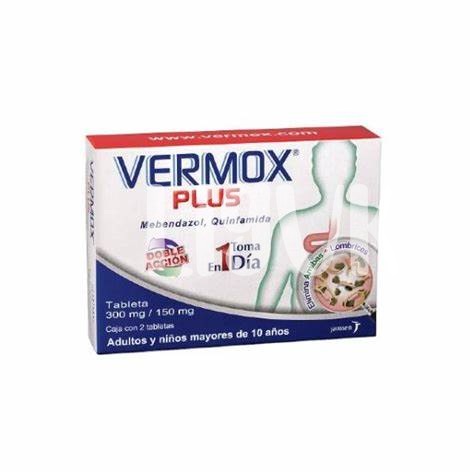
A patient I once met tried herbal blends before learning that natural isn't automatically harmless. Many herbs can cause stomach upset, allergic reactions, or liver strain, and some interfere with prescription drugs such as antiparasitic vermox.
Dosage is a minefield: herbs lack standardized concentrations, so self dosing risks under treating or overdosing. Always tell your clinician about supplements, check for interactions, and prefer products with third party testing; in some cases, conventional medications remain safer and more predictable. Seek lab confirmation of infection and plan follow up monitoring with tests.
How to Evaluate Quality and Sourcing of Supplements
I began treating the supplement aisle like a map, tracing labels and origins instead of following a recipe. Look for batch numbers, third‑party testing seals and clear ingredient lists — these clues separate reputable products from vague claims. Even when someone mentions vermox alternatives, transparency about sourcing and concentration matters more than marketing language.
Check certificates, country of origin and manufacturing practices; ask vendors for COAs.
| Red flag | Positive |
|---|---|
| No COA | Third-party tested |
| Unknown source | Transparent origin |
When to Prefer Vermox Consult Healthcare Professionals Promptly
A sudden bout of severe abdominal pain or visible worms in stool can jolt a traveler into decisive action. In those moments, over-the-counter curiosities feel inadequate and clear medical guidance matters.
If symptoms are intense, prolonged, accompanied by fever, weight loss, anemia, or occur in young children, pregnant women, or immunocompromised patients, prescription antiparasitic therapy is safer and faster. Laboratory diagnosis guides drug choice and avoids ineffective self-treatment.
Healthcare professionals check for drug interactions, contraindications, and correct dosing; Vermox (mebendazole) may be preferred when susceptible parasites are identified. They can arrange follow up testing to confirm eradication.
Seeking prompt medical evaluation prevents complications and ensures targeted therapy rather than anecdotal remedies, balancing urgency with safety.