
Click HERE To Buy Wegovy Online ↓
 Wegovy Myths Debunked: Separating Fact from Fiction
How Wegovy Actually Works: Science Vs Hype
I started watching a friend’s transformation and wondered if the magic was real. Wegovy contains semaglutide, a GLP‑1 receptor agonist that mimics a gut hormone to reduce appetite, slow gastric emptying, and improve blood sugar signals to the brain. Doctors emphasize it complements lifestyle change rather than replaces it.
That biology explains why people feel less hungry and often eat less without constant willpower battles. It is not a metabolic miracle that burns fat directly; weight loss comes from sustained calorie reduction, behavioral changes, and the drug’s appetite and satiety effects. Clinical trials show average losses but individual results vary.
Understanding the science cuts through hype: weekly injections change signaling, not identity. Paired with diet, activity, and medical supervision, Wegovy is a powerful tool — effective for many, but not an automatic or permanent shortcut. Side effects and medical eligibility shape suitability.
| Mechanism | Primary Effect |
|---|---|
| GLP-1 receptor agonism | Reduced appetite, slower gastric emptying |
Weight Loss Speed: Expectation Versus Reality
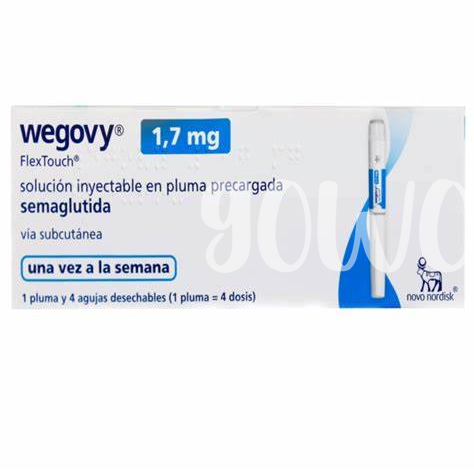
Starting wegovy felt like stepping into a promise: visions of fast drops on the scale. In truth, early weeks are modest—slow, measurable shifts that reward patience and consistent habits rather than instant transformation fantasies ultimately.
Clinically, most people lose a few pounds monthly; studies show stronger results by three months. Expect accelerations when doses stabilize and lifestyle changes stack, but individual biology and adherence shape every timeline dramatically over time.
Patience pays: plateaus are normal and often precede renewed progress once habits settle. If weight stalls long-term, medical follow-up can adjust therapy or identify factors like sleep, medications, or stress interfering with effectiveness of wegovy.
Those chasing overnight miracles will be disappointed, but realistic users describe sustainable shifts in appetite and portion control. Pairing treatment with nutrition coaching and activity yields clearest, lasting outcomes, turning modest weeks into meaningful change.
Safety Concerns: Common Side Effects Explained
Startled by early nausea, many people describe the first weeks on wegovy as an awkward adjustment rather than a medical crisis. Common issues—nausea, vomiting, diarrhea, constipation and mild injection-site irritation—usually ease with dose titration, dietary tweaks and time. Providers emphasize gradual escalation to reduce discomfort and encourage hydration, small meals and avoiding rich foods.
Serious complications are rare but important to discuss: gallbladder problems, pancreatitis and rapid heart rate have been reported, and people on diabetes medicines risk hypoglycemia. Routine monitoring, clear communication with your clinician and stopping the drug if severe symptoms occur make treatment safer. With informed oversight, many find benefits outweigh manageable risks. Always report worrying signs promptly to ensure appropriate care.
Appetite Control: Will Wegovy Eliminate Cravings?

I remember the first week on wegovy: the constant mental tug of war around snacks softened, not vanished. Meals became easier to plan because hunger signals were blunted, offering breathing room to make healthier choices. That shift felt liberating, giving me space to choose whole foods over impulsive snacks.
Scientifically, semaglutide alters appetite related brain pathways and slows gastric emptying, reducing desire and portion size but not erasing cravings entirely. Behavioral habits, stress, and environment still influence eating, so medication works best combined with counseling and structured routines. Clinical studies report significant appetite reduction but emphasize individualized responses.
Think of the drug as a powerful aid that tips the balance toward control rather than a cure for craving. Long term success depends on learning strategies to handle triggers when medication levels change or stop. Support networks and coaching also matter.
Long-term Use: Dependency and Maintenance Myths
A decade from now, many remember starting wegovy as an experiment in self-care; the truth is less cinematic. Clinical data show patients often need ongoing treatment plus lifestyle changes to maintain weight.
Dependency myths confuse medication effect with addiction; semaglutide alters appetite signals but is not euphoric or habit-forming like substances. Clinicians emphasize gradual tapering only when appropriate.
Maintenance combines medication, diet, and activity; think toolbox, not crutch.
| Item | Note |
|---|---|
| Dependency | Low |
Cost, Accessibility, and Insurance Coverage Realities
A trip to the clinic can feel like a reality check: Wegovy’s price tag often surprises patients, and out-of-pocket expenses vary widely by pharmacy and dose.
Insurance coverage is inconsistent; many plans categorize it as a weight-loss drug and deny coverage, while some cover it with prior authorization or medical necessity documentation.
Manufacturer savings cards, manufacturer assistance programs, and clinical trials can lower costs for eligible people, but programs have eligibility limits and time constraints. Also compare independent pharmacies, patient advocacy resources, and mail-order pricing.
Talk openly with clinicians about alternatives, step therapy, or copay support; plan for long-term expenses since ongoing treatment may be needed, and keep receipts for appeals and flexible spending accounts.